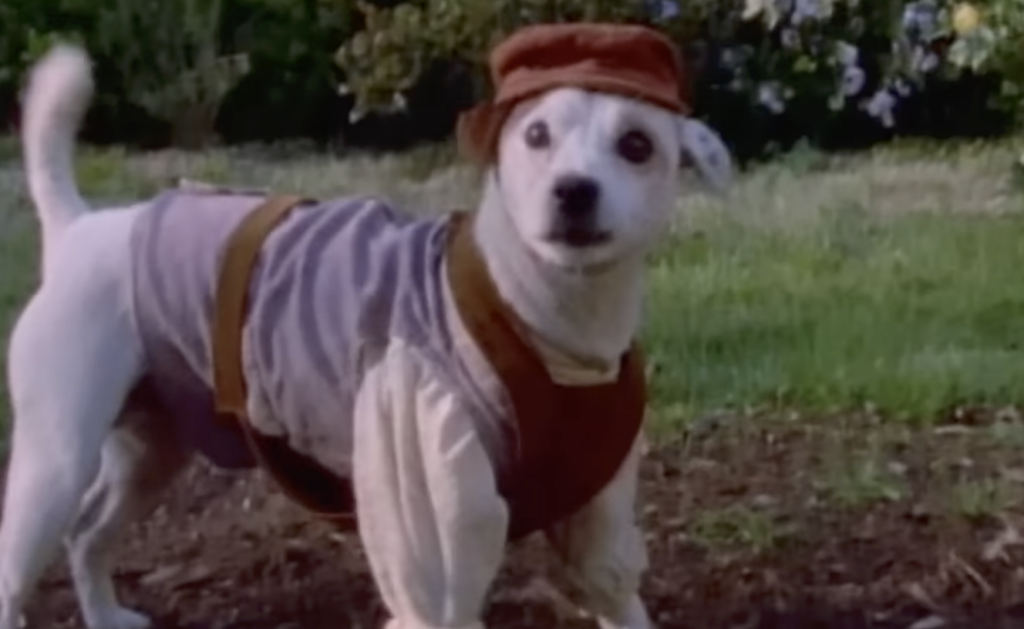
There are certain artifacts from childhood that remain preserved in Jurassic amber. Not literal amber, of course, but more the emotional kind. It’s the kind that sits somewhere between your rib cage and your memory, like waiting patiently for a smell, a song, or a television theme tune to crack it open. Suddenly, you’re eight years old again, standing in a kitchen while your mother makes a meal she never wrote down, riding a BMX bike off a ramp that absolutely should have resulted in a trip to the emergency room, or hitting a wiffle ball into the neighbor’s yard and confidently calling it a home run because there were no instant replays in suburban America 30 years ago.
Nostalgia is a peculiar drug. It arrives without warning and generally at the exact moment you’re paying taxes, comparing insurance rates, or trying to remember which elected official is currently disappointing you. It reminds you of a time before passwords, subscriptions, and the realization that every appliance in your house can somehow connect to Wi-Fi.
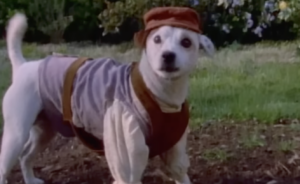
For many children of the mid-nineties, one of those treasured relics was Wishbone, the PBS series that ran from 1995 to 1997 and accomplished what seemed impossible. The show was convincing children that classic literature wasn’t punishment. The show’s premise was delightfully absurd in that a Jack Russell Terrier named Wishbone imagined himself into stories like The Three Musketeers, Frankenstein, and Robin Hood, all while somehow making Dickens and Dumas feel less intimidating than your average math worksheet.
The series lasted only fifty episodes across two seasons, yet thirty years later, it occupies a remarkably sacred place in the cultural memory of an entire generation. It may be the only television show I have never heard anyone complain about. Nobody has a dark Wishbone phase. Nobody says, “You know, I revisited it recently and the dog really sold out.”
Which makes the arrival of What’s the Story, Wishbone? feel less like a documentary and more like a reunion with an old friend who still remembers your birthday.
Directed by Joey Stewart, who is one of the original directors of the series, the film explores the making of the beloved North Texas production and the unexpected legacy it left behind. The documentary gathers everyone you’d hope to see, the now-grown actors, producer Betty Buckley, and Larry Brantley, whose voice transformed a small dog into one of the most charming literary ambassadors in television history.
What emerges isn’t merely a behind-the-scenes account of a children’s show. It’s a portrait of a creative moment when television occasionally believed that children were intelligent enough to be challenged rather than distracted. The interviews are warm, funny, and often surprisingly moving. Cast and crew members recall the strange magic of making educational television that never felt educational.
Watching the documentary, I found myself missing an era when networks occasionally gambled on kindness. Today, our screens are crowded with zombies, apocalypses, prestige antiheroes, and chemistry teachers discovering entrepreneurial opportunities in the methamphetamine industry. Not that there’s anything wrong with that. Civilization apparently requires both Shakespeare and Walter White.
And yes, Bluey deserves every ounce of praise it receives. But Wishbone occupies a different corner of the heart. Maybe it’s because it was live action. Maybe it’s because there were real sets, real costumes, and real people sweating under studio lights to convince children that books were adventures rather than assignments. Or maybe it’s because a talking dog somehow succeeded where generations of English teachers failed.
Whatever the reason, What’s the Story, Wishbone? functions as both a celebration and a time machine. It reminds us of afternoons spent sprawled on living-room carpets, backpacks abandoned by the door, when happiness arrived right after school and lasted exactly twenty-four minutes plus commercial breaks.
By the time the documentary ends, you’ll likely find yourself doing what every viewer inevitably does. We will all be searching for old episodes and wondering how a show starring a dog taught us more about literature than most college survey courses. The only difference is that now you’ll be watching it on an eighty-five-inch television with Dolby Atmos sound, experiencing the adventures of a scrappy Jack Russell Terrier with enough audio fidelity to hear every nostalgic bark hit your ears.
WATCH THE FILM DIGITALLY HERE