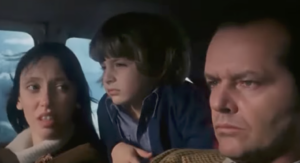
M*A*S*H: Season 11 – Episode 16 “Goodbye, Farewell and Amen”
There are television finales, and then there is the finale of M*A*S*H, which arrived in American living rooms less like an episode of television and more like a national weather event. More than a hundred million people tuned in to watch the 4077th fold itself up for the last time, proving that, in the 1980s, nothing united the country quite like war, wisecracks, and emotional devastation delivered between commercials for coffee and Buicks. It remains one of those rare cultural moments that people describe the way older relatives describe the moon landing. Everyone remembers where they were, and many remember crying in front of the television with the sort of vulnerability usually reserved for funerals or hearing your mechanic say, “I’ve got bad news.”
Of course, this episode belongs on every list of television heartbreaks. It is the obvious choice, which is often another way of saying the correct one. Week after week, we watched Hawkeye Pierce, Margaret Houlihan, and Max Klinger survive the Korean War through sarcasm, martinis, practical jokes, and the kind of gallows humor that only works when actual gallows are nearby. The show had always understood that comedy is sometimes just panic wearing a bathrobe and smoking a cigar. Beneath every joke was exhaustion, fear, and the suspicion that nobody was coming out of the war entirely intact.
But the finale strips away Hawkeye’s charm with almost surgical precision. We first see him not in the operating room delivering one-liners, but in a psychiatric hospital after suffering a breakdown. For a character who treated trauma the way most people treat junk mail, we throw it away quickly and move on, this felt startlingly intimate. Watching Hawkeye unravel was like seeing the funniest person you know suddenly stop talking at a dinner party. The silence itself becomes frightening. You realize the jokes had not merely been jokes, but rather, they were scaffolding, keeping the whole structure upright.
The episode slowly circles around one memory, withholding its full horror until the very end. Hawkeye recalls being trapped on a crowded bus with refugees while enemy soldiers searched nearby. Everyone has to remain perfectly silent. A woman’s chicken begins clucking, threatening to expose the bus and doom everyone aboard. Hawkeye, terrified and desperate, snaps at her to keep the chicken quiet. She does. The bus survives.
Except, of course, it was never a chicken.
When Hawkeye finally realizes aloud that the woman smothered her own baby to save the passengers, the scene lands with the force of a major physical blow. Alan Aldaplays the moment without vanity. He doesn’t perform grief so much as surrender to it. His face crumbles. His voice breaks apart. Years of suppressed horror come rushing out of him all at once, and suddenly, the war the series had spent eleven seasons softening with humor becomes unbearably real. The brilliance of the scene is that there are no villains in it. Only impossible choices. War, the show reminds us, is not merely explosions and heroics, it is ordinary people cornered into unbearable decisions.
And then there were the viewers, millions upon millions of them, openly weeping in suburban living rooms across America. You can practically picture fathers pretending they “just got something in their eye” while mothers reached for tissues already doomed from the start. Even people who had never served in combat understood the emotional truth of it instantly. The mind can carry only so much pain before something gives way.
What made M*A*S*Hso extraordinary was its willingness to let comedy and tragedy occupy the same cramped tent together. One minute, somebody was wearing a dress to get discharged from the Army, and the next minute, the show was confronting the psychological wreckage of war with startling honesty. The finale understood that laughter was never the opposite of grief. It was merely the thing keeping grief company.
By the time the camp finally shut down and the characters went their separate ways, it felt less like saying goodbye to television characters and more like watching old friends disappear down separate roads after surviving something impossible together. And Hawkeye, finally confronting the memory he had buried deep enough to nearly destroy himself, gave the series its most devastating truth, that sometimes healing begins only after the mind stops pretending it can carry the unbearable alone.