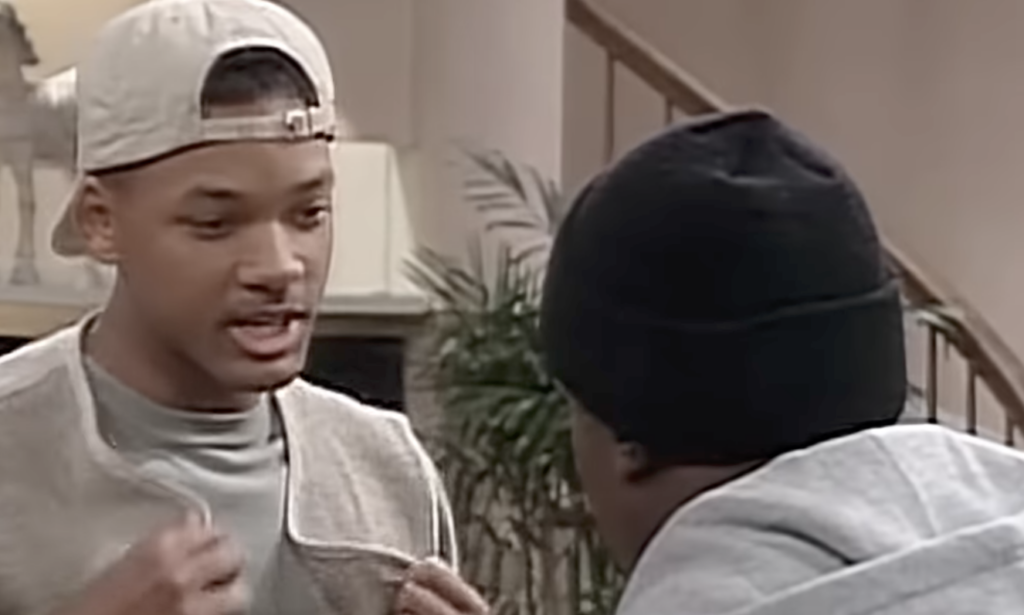
Fresh Prince of Bel-Air: Season 4 – Episode 24 “Papa’s Got A Brand New Excuse”
Certain moments in television arrive disguised as something else. They sneak up on you, and they wear the comfortable clothes of a sitcom, complete with canned laughter, brightly lit living rooms, and characters who can resolve most of life’s problems before the closing credits. Then, without warning, they reach into your chest, grab hold of something deeply buried, and refuse to let go.
One of these moments comes from The Fresh Prince of Bel-Air, which sounds ridiculous, frankly. Nobody sits down expecting a sitcom built around a wisecracking teenager from West Philadelphia to leave them collapsed on the couch in a state resembling emotional demolition. Yet here we are, decades later, still talking about four minutes of television that can reduce grown adults to the sort of crying usually reserved for funerals, breakups, and accidentally deleting a collegiate thesis.
By the time the episode aired, Will Smith was already a phenomenon. First there was the music, alongside DJ Jazzy Jeff, then the sitcom, where his particular brand of charisma seemed limitless. He was funny without trying too hard, cool without seeming to notice, and possessed the rare ability to make even the corniest joke feel spontaneous. The audience knew he could make them laugh. What they didn’t know, what perhaps Smith himself didn’t fully know yet, was how devastating he could be when the laughter stopped sans the Oscar slap that was heard around the world.
The setup is deceptively simple in this particular episode. As established in both the show’s mythology and its immortal theme song, Will grew up without his father. His mother raised him alone before sending him across the country to live with Uncle Phil and Aunt Vivian in Bel-Air, where structure, opportunity, and an alarming number of sweater vests awaited him.
Then, after nearly fifteen years of absence, Will’s father, Lou, reappears.
It’s the sort of plot television has used a thousand times. The estranged father returns. Old wounds reopen. Optimism briefly flourishes. And for a few days, Lou and Will bond. They laugh, play sports, and begin constructing the fragile architecture of reconciliation. Will, desperate for a relationship he never had, forgives him almost immediately. Of course he does. Children are often willing to forgive what adults never would.
Lou even invites Will to spend the summer traveling with him. And for the first time, it feels as though the missing piece of Will’s life might finally click into place. Then Lou leaves. Again.
He doesn’t leave dramatically or heroically. He doesn’t even leave in an honest and earnest way. He tries to slip away before having to face the consequences. It’s cowardice in its purest form.
What follows is one of the most remarkable scenes ever performed in a sitcom.
Will initially responds the only way he knows how. He jokes about it. He shrugs, smiles, and he pretends none of it matters. It’s a familiar performance. I’ts the kind many people learn long before adulthood. If you can make everyone laugh, perhaps they won’t notice you’re breaking.
And then his mask slips.
The anger arrives first, followed by heartbreak. Smith’s famous charm evaporates. In its place is a young man desperately trying to understand why his father keeps choosing not to love him. The scene famously builds toward a line that has become part of television history, “How come he don’t want me, man?”
Even now, knowing it’s coming doesn’t help.
What makes the moment so powerful is that it isn’t really about Will Smith. It’s about every child who has ever mistaken abandonment for a personal failing. Every person who has wondered what deficiency in themselves caused someone else to walk away.
The scene is made even more astonishing by the knowledge that much of Smith’s emotional outburst was improvised. You can feel it. The dialogue doesn’t sound manufactured. It sounds discovered in real time, as though Smith has reached into a place too raw for scripting and simply opened the door.
And then there is Uncle Phil.
For years, James Avery played him as a combination of disciplinarian, protector, and occasional source of comic exasperation. But in this moment, he becomes something more profound. He doesn’t offer advice. He doesn’t deliver a speech. He simply embraces Will.
It is one of television’s great hugs. It’s the kind of hug that says everything words cannot.
Legend has it that members of the cast were crying off-camera during the scene. Watching it now, that’s easy to believe. The remarkable thing isn’t that they cried. It’s that so many of us still do.
Because beneath the jokes, the catchphrases, the dance moves, and the brightly colored 1990s wardrobe, The Fresh Prince of Bel-Air briefly transformed into something far more ambitious. It stopped being a sitcom and became a meditation on rejection, fatherhood, and the painful human desire to be wanted. And that’s not bad for a show most people remember for Carlton dancing.